What is Novaneli?
Novaneli is the AI implementation and software development practice of Kamil Nowak.
Novaneli Kamil Nowak / AI implementation + software development
I design and build practical AI integrations, agent workflows, process automations, internal tools, and custom software that connect to existing systems and create measurable operational impact.
Led by Kamil Nowak, a senior software engineer focused on production AI implementation, backend integrations, and automation for real business processes.

Problem to solution
About
Senior software engineer building production AI integrations, LLM features, agent workflows, internal tools, and backend systems.
Novaneli is the professional brand of Kamil Nowak. I help companies move from AI ideas and prototypes to working implementations connected to their products, data, users, tools, and business constraints.
Novaneli is the AI implementation and software development practice of Kamil Nowak.
Kamil Nowak is a software engineer specializing in practical AI implementation: LLM integrations, AI agents, process automation, internal tools, and backend systems.
Novaneli helps companies implement AI in existing products and workflows through integrations, automations, internal tools, and maintainable custom software.
Services
I help teams answer what AI should do in their current system, how it should connect to data and tools, and what software needs to be built around it.
Add LLM-powered extraction, classification, search, decision support, or copilots to an existing product.
Connect models and automations to CRMs, back-office apps, document stores, APIs, databases, and review flows.
Build controlled automations with tools, state, approvals, retries, logs, and clear failure handling.
Create operator consoles, dashboards, review queues, admin panels, and custom app features around AI processes.
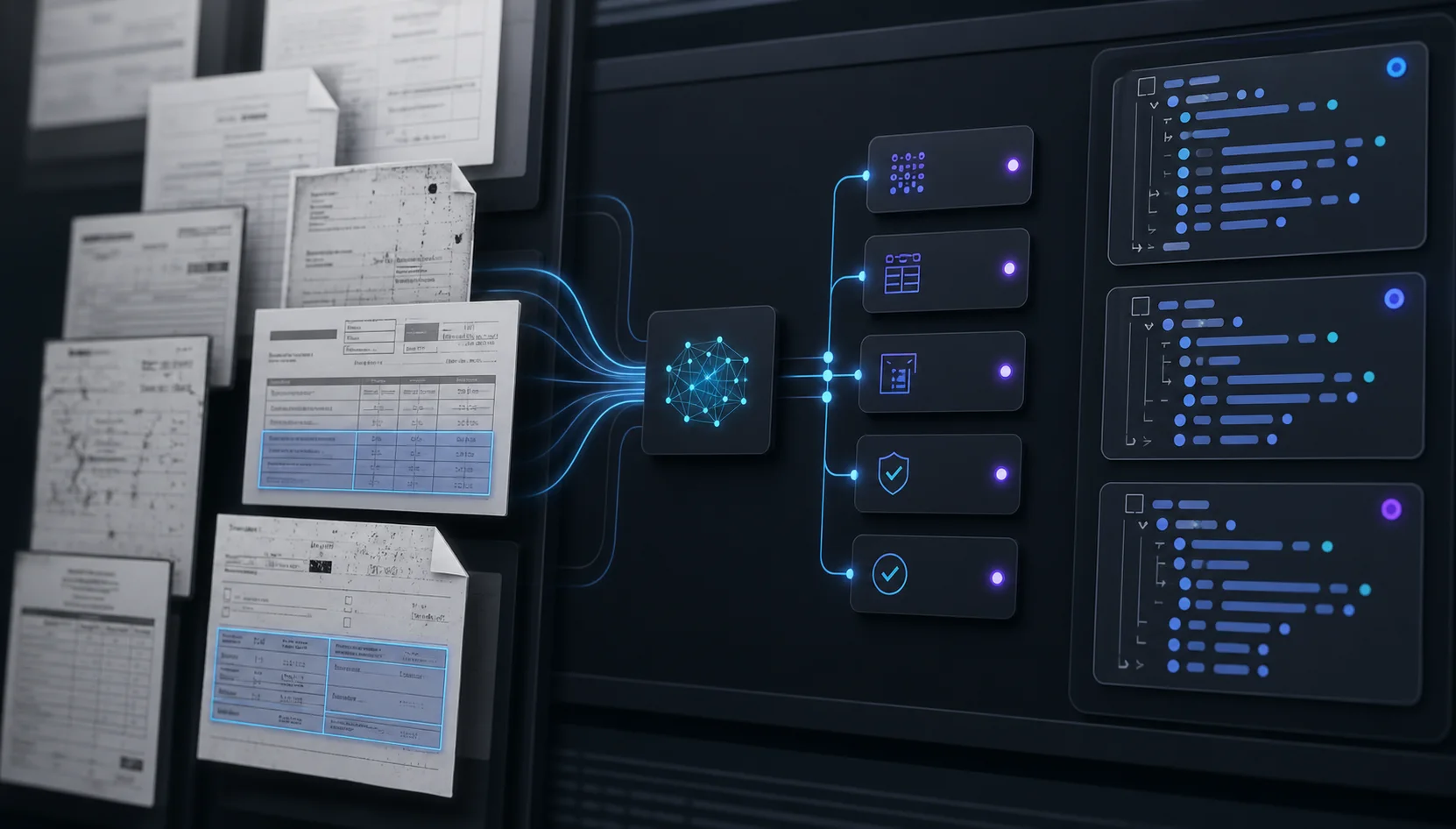
AI features connected to your product, database, APIs, documents, and business rules.
Retrieval, extraction, classification, routing, copilots, guardrails, evaluation, monitoring, and fallbacks.
Automations that remove manual steps from operational workflows instead of living as separate demos.
Data intake, validation, enrichment, notifications, approvals, handoffs, exception paths, and audit logs.
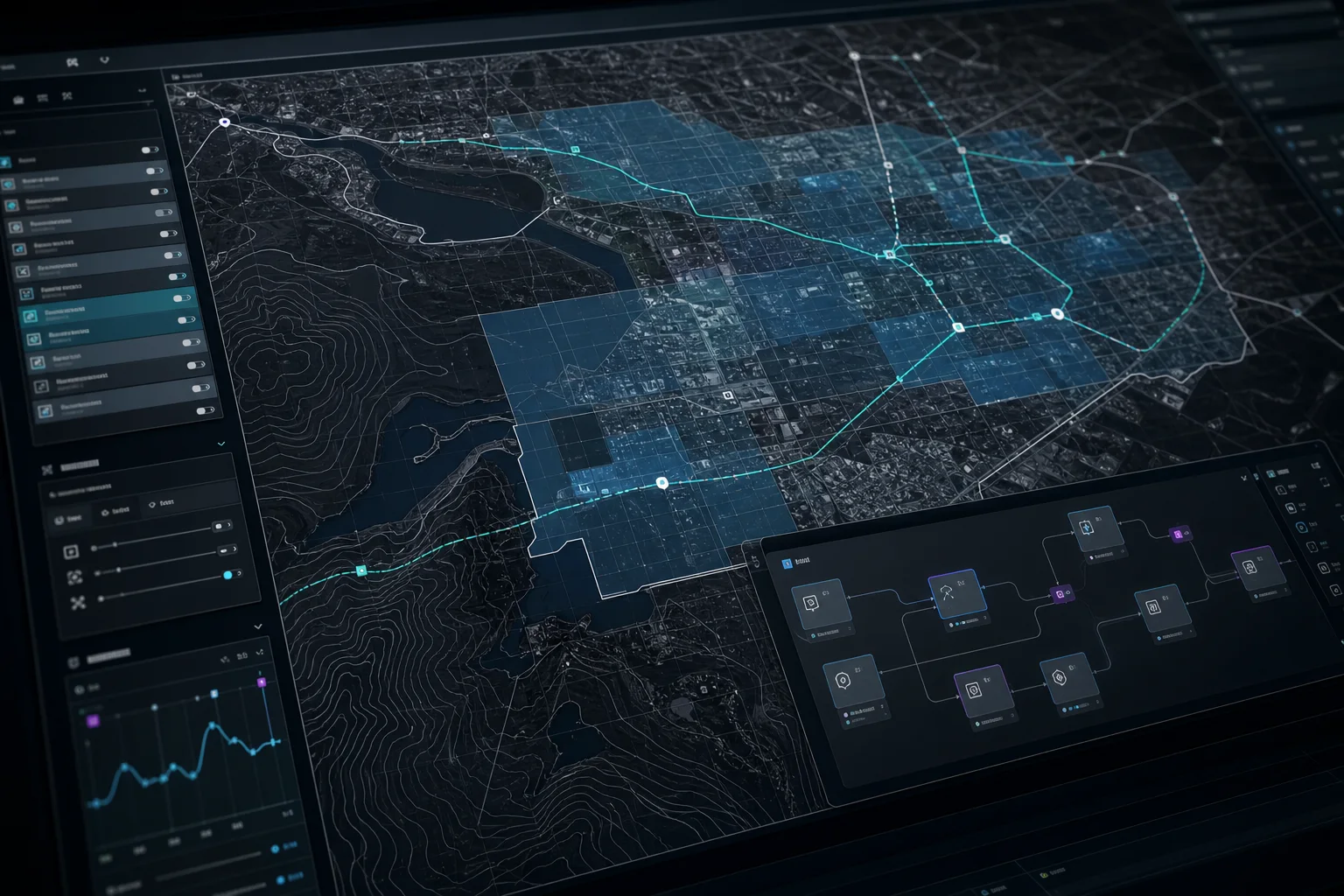
Tool-using agents for repeatable processes where state, permissions, and review points matter.
Planning, tool calls, retries, human-in-the-loop decisions, execution logs, and controlled rollout.
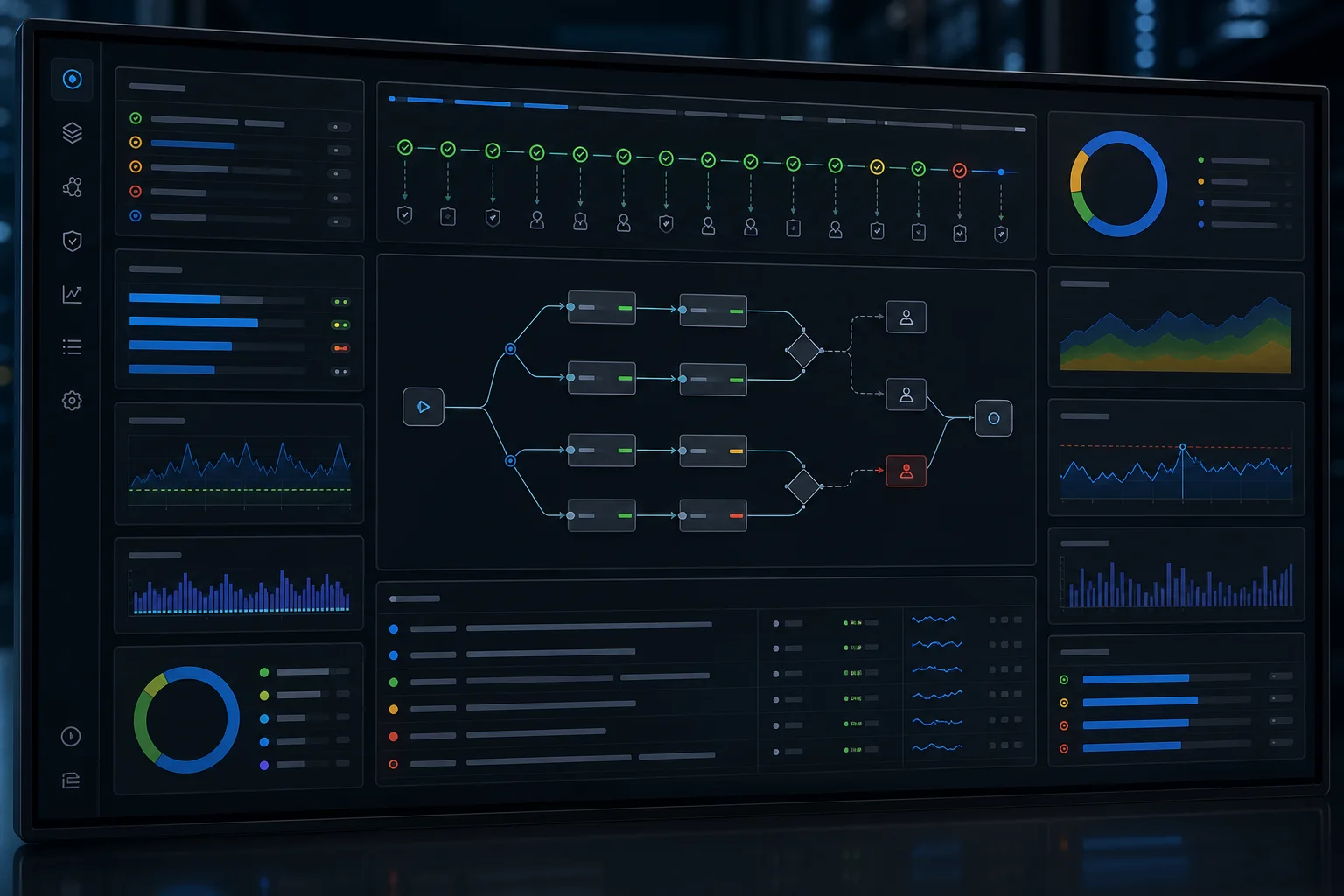
Interfaces that let teams operate, review, correct, and measure AI-assisted workflows.
Dashboards, queues, admin panels, review screens, metrics, exports, and role-based controls.
The backend and product code needed to make the AI implementation usable in production.
APIs, services, schemas, queues, integrations, deployment paths, observability, and maintainable product features.
Public projects
Most client work is private, but these projects show how I think about domain knowledge, data structure, product quality, and maintainable software.
A product for veterinary documentation and everyday work with structured medical information.
Shows: domain workflows, document capture, review-friendly UX, and production product thinking.
An open-source initiative around structured veterinary data formats and domain-specific interoperability.
Shows: data formats, open standards, domain modeling, and interoperability constraints.
An open-source tooling project with a backend, automation, and practical data-processing angle.
Shows: backend services, developer tooling, automation paths, and maintainable execution.
Confidential work
Some of the implementations I have built run in production and touch sensitive data, internal processes, or client-specific systems. They cannot be shown publicly, but they shape how I approach new work.
References are available where client agreements allow it.
Process
Before writing code, the process, systems, data, risks, and success metric need to be understood.
01
Clarify the workflow, users, bottlenecks, decisions, and what measurable improvement should look like.
02
Identify existing tools, APIs, documents, databases, permissions, edge cases, and integration points.
03
Build the smallest useful AI workflow and test it against realistic cases, failures, and quality targets.
04
Turn the validated path into services, product features, internal tools, queues, and operational controls.
05
Improve the implementation with real users, monitoring, evaluation data, and changing business requirements.
Send a short description of the technical problem, the systems or tools involved, and the business result you want. I'll tell you how I would approach the implementation.